Sitemap
All Services

Sensory Integration

Helping children make sense of their world — regulating responses to touch, movement, sound and sensation for calmer, more confident daily living.

160+Children Helped
Ages 18mo–18All Ages Welcome
FreeFirst Consultation
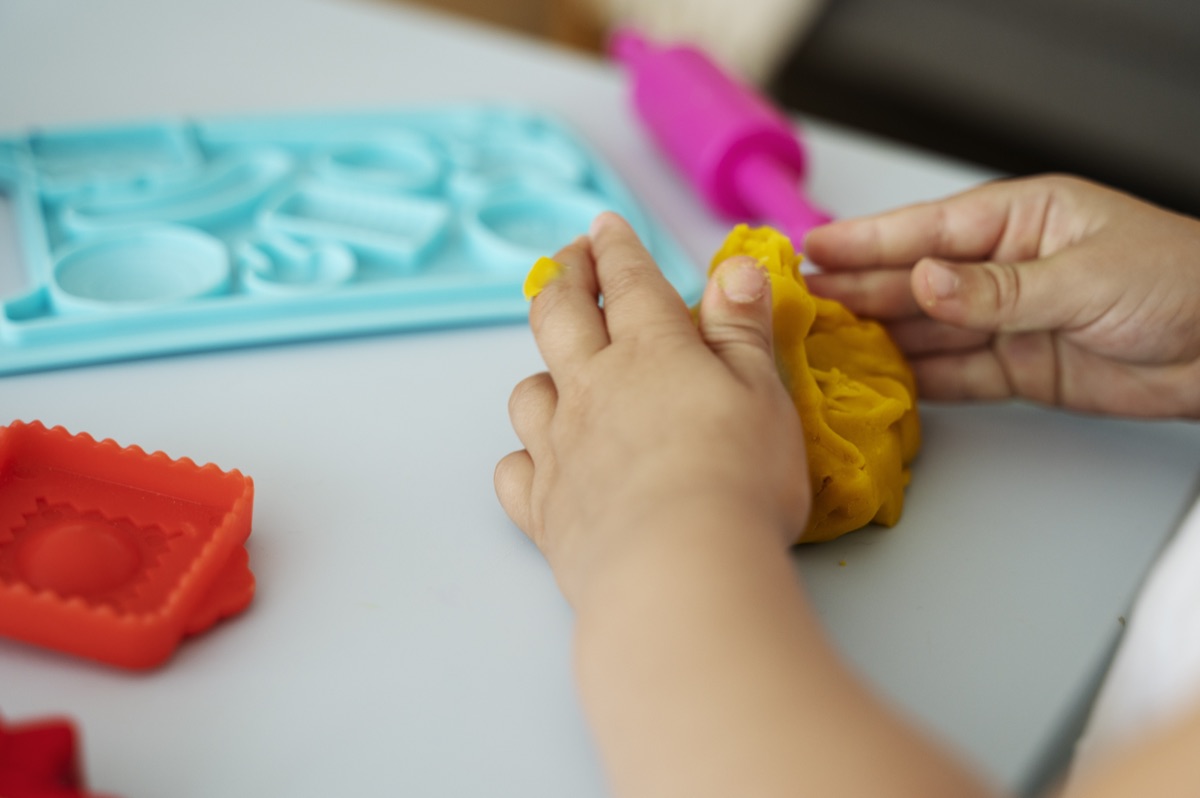
Sensory integration therapy session
What is Sensory Integration?

Helping the Brain Make Sense of the World

Sensory Integration (SI) therapy is founded on the groundbreaking work of Dr A. Jean Ayres, who described sensory integration as the brain's ability to organise, interpret and use information received from the body and environment. When this process is disrupted — as it is for many children with autism, ADHD, developmental delays and related conditions — children may over-respond to sensory input (covering their ears in a quiet room) or under-respond (not noticing pain or temperature).

At Reach N Rise, our SI-trained occupational therapists use a structured, evidence-based programme of purposeful sensory activities — delivered in our dedicated sensory gym — to improve how the nervous system processes sensory information. Rather than simply adapting the environment around a child, we aim to improve the underlying neurological processing that drives behaviour, attention, motor skills, emotional regulation and learning.

"Sensory integration is the invisible foundation beneath every skill — attention, learning, behaviour, movement and emotional regulation all depend on it."
Who Benefits?

Does Your Child Experience Sensory Challenges?

Sensory processing difficulties can present in very different ways — over-sensitivity, under-sensitivity or sensory seeking are equally real and equally treatable.

🔊 Sensory Over-Responsivity

  • Covers ears for everyday, tolerable sounds
  • Highly distressed by light or unexpected touch
  • Refuses certain food textures or clothes tags
  • Overwhelmed in busy or crowded environments
  • Extreme reactions to haircuts or teeth brushing
  • Difficulty tolerating messy play or craft activities

🏃 Sensory Under-Responsivity

  • Seeks excessive movement, spinning or rocking
  • Craves deep pressure — tight hugs, weighted items
  • Poor body awareness and spatial sense
  • Appears unaware of pain or temperature extremes
  • Clumsy, bumping into furniture and people
  • Slow to respond to name or sensory cues

🎯 Sensory Seeking

  • Constantly touching objects and surfaces
  • Putting objects (and non-food items) in the mouth
  • Climbing everything — furniture, people, walls
  • Unable to sit still; always on the move
  • Sensory-seeking that disrupts daily activities
  • Difficulty self-regulating after sensory input
Areas of Focus

What We Work On

Our SI therapy programme addresses all the sensory systems and the daily skills that depend on them — from processing to regulation to environmental adaptation.

Tactile (Touch) Processing

Improving how the nervous system interprets information from the skin — reducing hypersensitivity to textures, light touch and tactile experiences that interfere with daily life.

Vestibular (Balance/Movement) Processing

Addressing how the inner ear and brain process movement and gravity — improving balance, coordination, tolerance of movement and the ability to sit still and focus in class.

Proprioceptive (Body Awareness) Input

Building the brain's awareness of where the body is in space — using heavy work activities and deep pressure to improve coordination, motor planning and the sense of physical self.

Sensory Diet Development

Designing a personalised "sensory diet" — a daily schedule of sensory activities timed throughout the day to keep the nervous system regulated, calm and ready to engage and learn.

Self-Regulation Skills

Teaching children to recognise their own arousal state and use appropriate sensory strategies independently — a fundamental skill for emotional control, learning and social participation.

Environmental Modification

Advising on changes to home, classroom and wider environments — lighting, noise levels, seating, sensory tools — to reduce sensory overload and support your child's regulation throughout the day.

Our Approach

How We Deliver SI Therapy at Reach N Rise

A rigorous, individually designed programme grounded in Ayres Sensory Integration principles and delivered by certified SI therapists.

1

Sensory Profile Assessment

We use validated standardised tools — including the Sensory Processing Measure and structured clinical observation — to map your child's sensory profile across all modalities and identify the precise patterns of over, under and mixed responsivity.

2

Sensory Diet Design

Based on the assessment, we design a personalised sensory diet — a practical daily schedule of carefully graded sensory activities timed to maintain optimal neurological arousal throughout your child's day at home and school.

3

SI Therapy Sessions

Weekly or twice-weekly individual sessions in our purpose-built sensory gym — equipped with swings, crash mats, tunnels, climbing structures and a full range of sensory equipment. Sessions are child-directed and genuinely enjoyable.

4

Parent & Carer Training

Parents learn to understand their child's sensory system, implement the sensory diet at home, and use the "alert programme" or "How Does Your Engine Run?" tools to support self-regulation throughout daily routines.

5

School Sensory Plans

We liaise with teachers to provide classroom sensory strategies — seating modifications, movement breaks, fidget tools, and environmental adjustments — ensuring your child can access learning as comfortably as possible.

6

Progress Monitoring

We re-administer the Sensory Processing Measure at regular intervals to objectively track changes in sensory responsivity, and hold formal goal reviews with families every 6–8 weeks to refine the programme.

Your Journey

What Your Child's SI Therapy Journey Looks Like

1

Free Consultation (Week 1)

Meet our SI specialist to share your observations about your child's sensory responses. We'll explain what sensory integration is, describe our approach, and help you understand whether SI therapy is the right next step.

2

Sensory Profile Assessment (Weeks 2–3)

A comprehensive assessment using standardised sensory tools combined with structured clinical observation of your child in our sensory gym. We involve parents in every step — your observations are invaluable to creating an accurate picture.

3

Personalised SI Programme Begins (Week 4+)

Regular individual SI sessions combined with implementation of your child's personal sensory diet at home and school. Parents receive coaching in each session and take away practical, manageable home strategies from the very start.

4

Review & Refinement (Ongoing)

Formal reviews every 6–8 weeks to measure objective changes in the sensory profile and adjust both therapy activities and the sensory diet. Most families notice meaningful improvements in daily regulation within the first 10–12 weeks.

★★★★★

Our daughter used to scream when we tried to brush her hair. After SI therapy she now manages her morning routine independently. The understanding this team has of sensory challenges is extraordinary.

Parent testimonial
Nilufar Ahmed Parent · Kolkata

Help Your Child Feel Comfortable in Their World

Book a free consultation with our Sensory Integration specialist. We'll discuss your child's sensory experiences and explain exactly how SI therapy can help them find calm, confidence and joy in daily life.

Book Online Consultation →

Or call us: +91 96747 59336 · WhatsApp